
Osteopathy in Brighton & Hove

Osteopathy at Tree of Life
Whole-person care, from everyday aches to complex conditions
At Tree of Life Centre, we bring together some of the most experienced, caring and skilled osteopaths in Brighton & Hove. Whether you’re dealing with back pain, an injury or postural problem, or a more complex, unusual or longstanding issue, our osteopaths take the time to understand what’s really going on and tailor every treatment to you.
We look at the body as a whole, not just the site of pain. Alongside easing your current symptoms, we understand how different areas and systems interact, and how change in one part of the body can affect another. We use a wide range of hands-on techniques to restore mobility, balance, ease and wellbeing.
Alongside traditional osteopathic treatment, our practitioners bring specialist training in areas such as women’s health, sports rehab, cranial and visceral techniques, paediatrics, naturopathy, and somatic and trauma-informed approaches – so there’s always an osteopath whose expertise fits your needs.
Osteopathy can help at every stage of life, from babies and children through to older age. Not sure if it’s right for you? We’re always happy to talk it through and recommend the right practitioner.
Scroll down to meet our osteopaths, and find out more about how osteopathy can help you…
Fees
- Initial consultation (1 hour): £75 – includes full assessment and treatment
- Follow-up consultation (up to 45 minutes): £65
Prices and appointment durations may vary slightly between individual practitioners – please refer to each osteopath’s profile page for their specific fees.
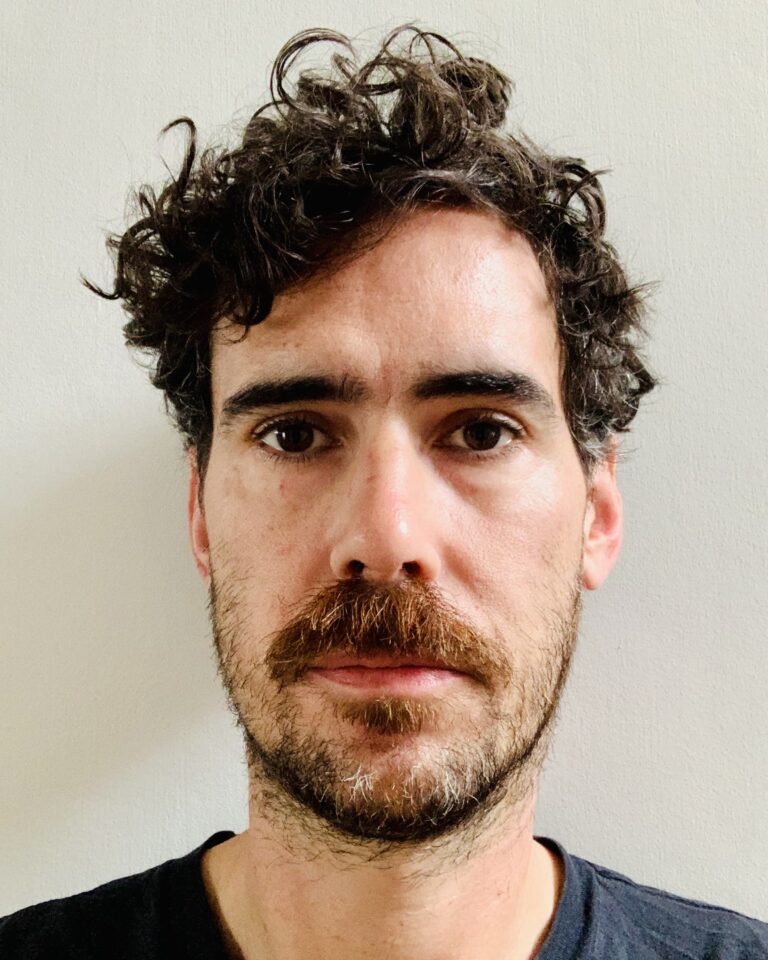
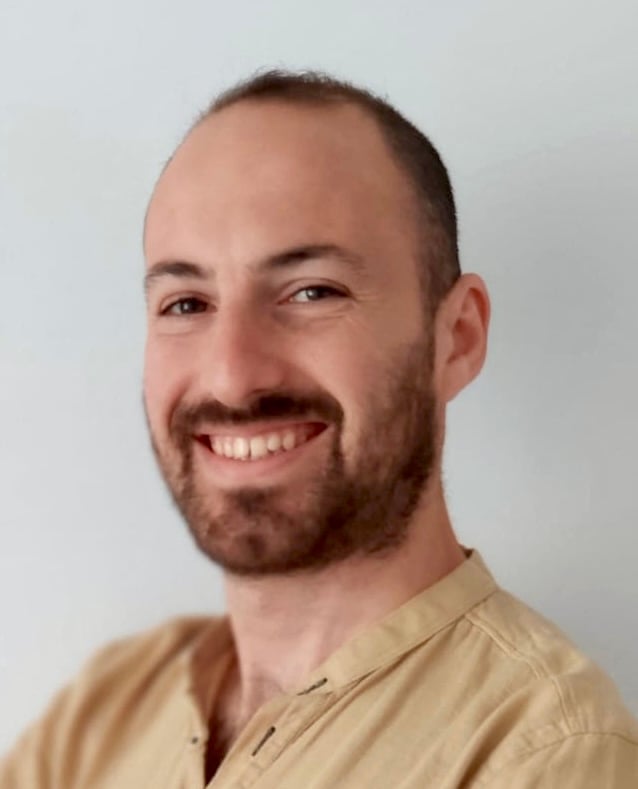
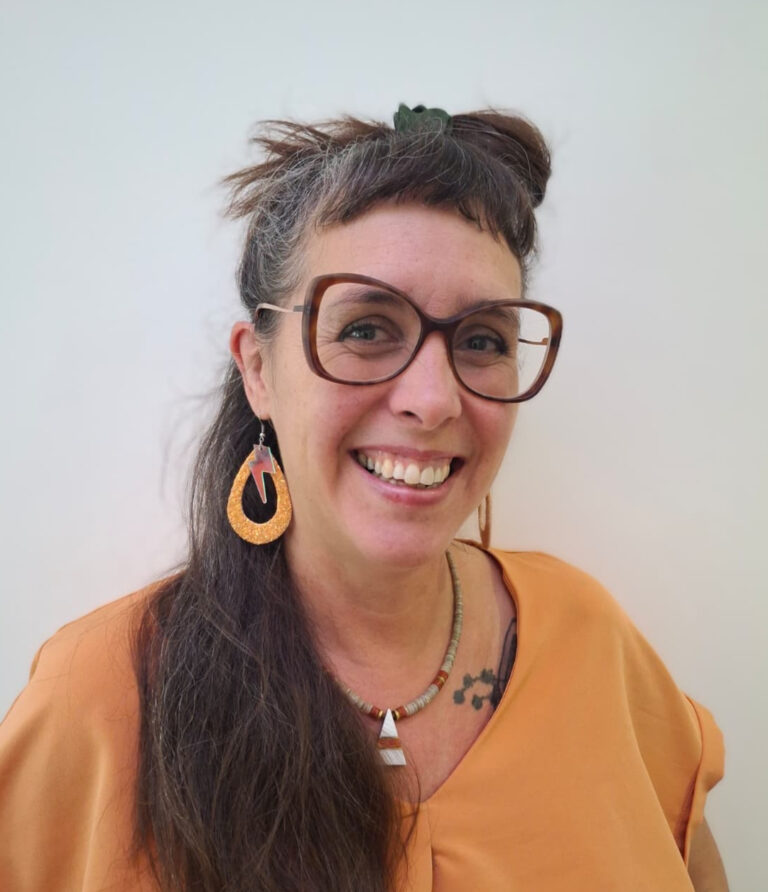
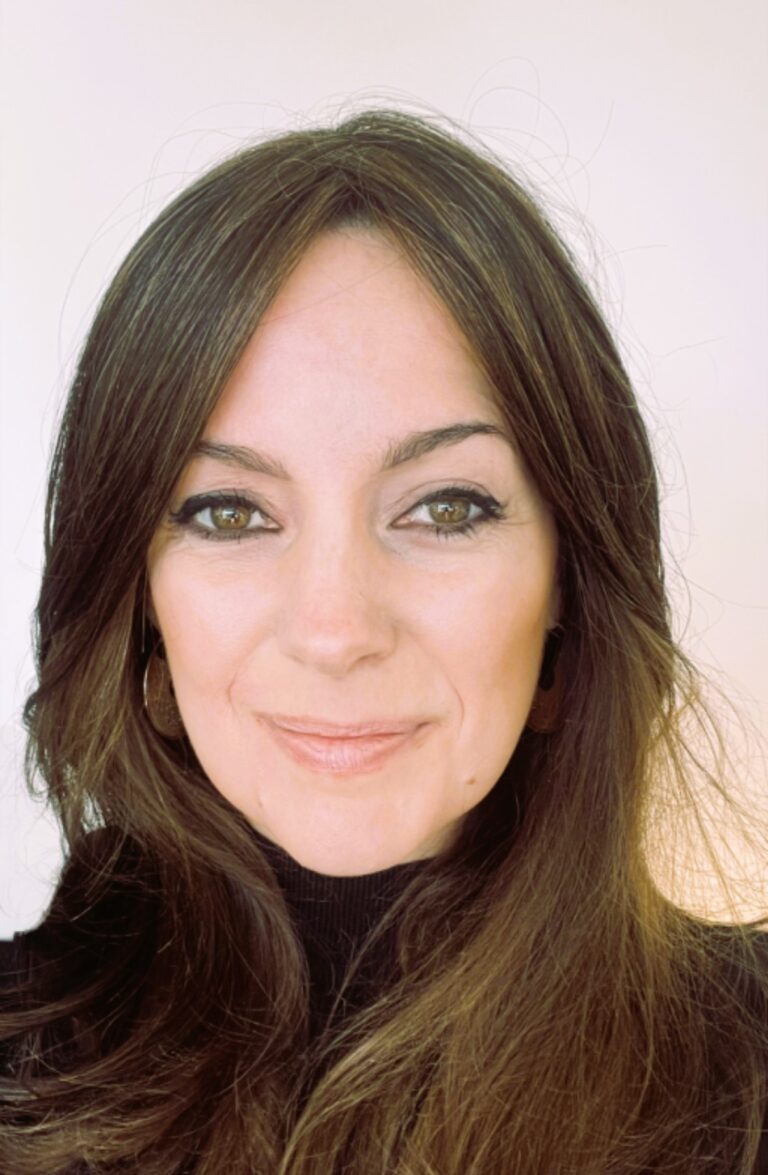
Meet the osteopathy team

What is osteopathy?
Osteopathy is a form of manual therapy that focuses on the musculoskeletal system, the bones, muscles, joints, ligaments and connective tissue that make up the body’s structure. Osteopaths work on the principle that the body’s structure and function are deeply interconnected: when the structure is compromised, function suffers, and vice versa. Using a wide range of hands-on techniques, osteopaths aim to restore balance and mobility, reduce pain, and support the body’s own natural healing processes.
While osteopathy is deservedly well known for its success in treating back pain, musculoskeletal issues and injuries, its origins lie in a much broader, whole-system approach to health. At the heart of osteopathy is the understanding that the body’s structure and how it functions have a constant mutual influence, and the body works as a single, interconnected whole, rather than a collection of separate parts to be treated in isolation.
Our team embrace this founding philosophy in their practice. Many of our osteopaths integrate specialist postgraduate training and advanced techniques into their practice; visceral osteopathy, intra-oral work, cranial and facsial techniques, somatic approaches. etc.
In the UK, osteopathy is a statutorily regulated healthcare profession. All practising osteopaths must be registered with the General Osteopathic Council (GOsC), having completed a four or five-year degree-level training programme.
What conditions does osteopathy treat?
Osteopathy is best known for treating back and neck pain, but the scope is considerably broader. Our osteopaths commonly work with:
- Back pain – lower back, upper back, and sciatica
- Neck pain and stiffness
- Shoulder, elbow, wrist and hand problems
- Hip, knee, ankle and foot conditions
- Sports injuries, RSIs and rehabilitation
- Postural problems – including those related to desk work or pregnancy
- Headaches and migraines (including tension headaches and cervicogenic headaches)
- Digestive issues – using visceral osteopathic techniques
- Joint pain and arthritic pain
- Pregnancy and postpartum related issues
- Babies and children – including colic, feeding difficulties, and developmental concerns (cranial osteopathy)
- Stress-related tension and fatigue
If you’re unsure whether osteopathy is right for you, please get in touch – we’re always happy to advise and recommend the best suited osteopath to help you.
Osteopathy vs cranial osteopathy
Our experienced team include both structural and cranial osteopaths, and many of our practitioners are skilled in both.
Structural osteopathy uses more direct manual techniques (soft tissue and fascial techniques, joint mobilisation, adjustments, etc) to address pain, restriction and imbalance throughout the body.
Cranial osteopathy is a more subtle approach that works in depth with the body’s deep anatomy and nervous system, with still-hands contact on the cranium, sacrum, abdomen and throughout the body. It is particularly well suited to babies, young children, pregnant women, the elderly, and anyone who respond best to a gentle treatment style. It is also very helpful for headaches, TMJ problems, and recovery after head injuries.
If you’re unsure which approach is most appropriate for you, our team can advise. You can also read more on our dedicated Cranial Osteopathy page.
What to expect at your first osteopathy appointment
Your first appointment at Tree of Life Centre is an initial consultation, which includes both assessment and treatment, all in one relaxed, unhurried session. Here’s what to expect:
- Your osteopath will start by getting to know you, asking about what’s brought you in, your relevant history, lifestyle and any medications, so they have a full picture before they begin.
- They’ll then gently assess how you’re moving and holding yourself, which might involve watching your posture and movement, and using their hands to feel where tension or restriction might be sitting in the body.
- Once they have a clearer picture, they’ll talk you through what they’ve found and what they’d suggest by way of treatment, so you always know what’s happening and why.
- Treatment then follows in that same appointment, using whichever techniques feel right for you and what’s going on in your body.
- Before you leave, your osteopath will share any simple exercises, postural tweaks or lifestyle suggestions that might help support you between sessions.
Not sure what is the best service or team member for you? Feel free to get in touch for guidance and advice.
Frequently asked questions
How much does osteopathy cost in Brighton & Hove?
At Tree of Life Centre, an initial osteopathy consultation — which includes full assessment and treatment — costs £75 and lasts one hour. Follow-up consultations are £65 for up to 45 minutes. Prices may vary slightly between individual practitioners; please check each osteopath’s profile page for their specific fees.
Is osteopathy available on the NHS?
Osteopathy is available on the NHS in some areas, but access is limited and waiting times can be long. Most people access osteopathy privately. At Tree of Life Centre we offer a range of appointment times including evenings and Saturdays to make treatment as accessible as possible.
How many osteopathy sessions will I need?
This depends on your presenting condition, how long you have had it, and how your body responds to treatment. Acute problems – such as a recent back injury – often resolve within two to four sessions. Chronic or long-standing conditions may benefit from a longer course of treatment. UK data shows that the average course of osteopathic treatment is between 4-8 sessions. Many clients choose to continue ‘maintenance’ sessions beyond this, to feel good in their bodies and prevent future issues developing. Your osteopath will give you a realistic indication at your first appointment, and you are always in control of your treatment pathway.
Does osteopathy hurt?
Our osteopaths all work in a way that means treatment shouldn’t be painful. After the treatment, some people occasionally experience mild transient discomfort (particularly after structural work) as the body adjusts; a bit like the mild soreness you might feel after exercise. Your osteopath will always work within your comfort level, checking in as they go and adapting their approach if anything feels like too much.
Will I need to undress?
When it comes to undressing, every osteopath works a little differently, and not all treatments require it at all. Where it can be helpful, your osteopath will always explain why and check in with you first. It’s entirely your choice how much or little you’re comfortable removing, and a blanket or sheet is always available on the couch.
What is the difference between an osteopath and a physiotherapist?
Both professions are regulated healthcare practitioners who use hands-on techniques to treat musculoskeletal problems. Physiotherapy tends to focus more on exercise-based rehabilitation and electrotherapy, while osteopathy emphasises hands-on treatment of the whole body’s structure. Our osteopaths can advise if you’re unsure which is most appropriate for you.
What is the difference between an osteopath and a chiropractor?
Both osteopaths and chiropractors are regulated practitioners who work with the musculoskeletal system. Chiropractors generally focus more exclusively on the spine, using frequent, shorter sessions built around spinal adjustments (“cracking” techniques). Osteopaths take a broader whole-body approach, drawing on a wider range of manual techniques, many using little or no cracking at all, with sessions that tend to be longer, more in-depth, and more widely spaced, often weekly.
Do I need a GP referral to see an osteopath?
No. You can book directly with our osteopaths without a GP referral. Osteopaths undergo extensive clinical training, which means they’re able to take into account your full medical history and any medications you’re on, and where it’s helpful, check things like blood pressure and reflexes as part of your assessment. They’re also able to read and interpret medical reports and test results, and are always happy to communicate directly with your GP or other practitioners involved in your care. If your osteopath believes you would benefit from further investigation or onward referral, they will advise you accordingly during your appointment.
Is osteopathy safe during pregnancy?
Yes – osteopathy can be very beneficial during pregnancy for conditions such as back pain, pelvic girdle pain (PGP/SPD), sciatica, and postural discomfort, as well as getting everything well aligned for birth. Our osteopaths are experienced in treating pregnant women and will adapt their techniques accordingly. It can also be helpful for postpartum realignment and recovery. If you have any concerns, please let us know when booking and we will ensure you see the most appropriate practitioner.
Can osteopathy help with back pain?
Yes – back pain is one of the most common reasons people seek osteopathic treatment, and osteopathy has a strong evidence base for both acute and chronic lower back pain. Our osteopaths treat all forms of back pain including lower back pain, upper back pain, sciatica, disc problems, and pain related to postural habits or prolonged sitting.
Can babies and children see an osteopath?
Yes – osteopathy is safe and effective for babies and children. Cranial osteopathy in particular is commonly used for babies experiencing colic, feeding difficulties, unsettled behaviour, or birth-related strain. Our team includes practitioners with the highest level postgraduate training and decades of experience treating babies, young children and adolescents.
Where is the Tree of Life Centre osteopathy clinic in Brighton & Hove?
Tree of Life Centre is located at 143–145 Portland Road, Hove, BN3 5QJ – easily accessible from across Brighton & Hove by car, bus or train (Aldrington station), with street parking available nearby. To book or ask any questions, call us on 01273 220159 or email info@tolcentre.com.
Are your osteopaths fully qualified and registered?
Yes. All of our osteopaths are registered with the General Osteopathic Council (GOsC), which is a legal requirement for practising osteopathy in the UK. They hold degree-level qualifications from accredited osteopathic colleges and carry full professional indemnity insurance.
Our reviews

500+ 5 star reviews